Planning to design a website for your online business but don’t know where to begin? Don’t worry, we’re here to help. Creating a website no longer requires coding expertise; with modern web design tools or the help of skilled agencies, you can easily build a professional, user-friendly site.
A great website, however, goes beyond visuals – it requires creativity, planning, and a solid grasp of design principles. In this step-by-step guide, you’ll learn how to design a website that attracts visitors and converts them into loyal customers. Whether you’re starting fresh or upgrading an old site, our expert team offers professional web design services across Pakistan – including Karachi, Lahore, Islamabad, Rawalpindi, Faisalabad, Peshawar, and Multan.
Before we dive into the design process, let’s explore the fundamentals of web design.
What is Web Design?
Web design is the process of shaping the visual appearance, layout, and overall structure of a website. But it’s more than just aesthetics – it’s about creating an experience. Modern web design focuses heavily on user experience, which determines how easily and pleasantly users interact with your site.
A well-designed website doesn’t just look good; it feels intuitive and easy to navigate. Visitors should be able to find the information or products they’re looking for quickly and without frustration. It’s a common misconception that simply having a website guarantees online success. An outdated or poorly structured site can harm your brand image and drive potential customers away.
A thoughtfully designed website, on the other hand, can boost credibility, strengthen your brand presence, and help your business stand out in Pakistan’s growing digital marketplace.
So How Can You Set Your Business Up to Succeed Online?
The secret lies in creating a strategic, user-focused website that’s fast, functional, and visually engaging. Web design goes far beyond appearance – it’s about building a cohesive visual identity that reflects your brand’s values and connects with your audience.
Every element – from layout and color palette to typography and imagery, influences how users view your business. When these aspects work together seamlessly, they leave a lasting impression and drive visitors to explore your content or products.
Learn more in our guide: What is Web Design?
Why Does Web Page Design Even Matter?
Your website is often the first interaction potential customers have with your business, and as we know, first impressions are everything. Research shows that nearly 38% of visitors leave a website purely because of poor design. That’s why creating a visually appealing, functional, and user-friendly web page is essential. A well-crafted design immediately conveys professionalism, credibility, and trust within seconds of a visitor landing on your site.
Think about when you’re shopping online for a new smartphone. What grabs your attention first – the layout, product images, or color scheme? If a site feels messy or outdated, you’ll probably click away and find another store that looks more reliable. Your customers think the same way. If your website doesn’t reflect your brand’s quality, they may question your legitimacy.
Your site is the digital face of your brand, it should showcase your values, attention to detail, and commitment to quality. With intuitive navigation, clean design, and compelling visuals, you’ll turn casual visitors into loyal customers.
Why Good Website Design is the Key to Online Success?
When it comes to website design, many people assume that “good design” is purely a matter of taste, but that’s not entirely true. While aesthetics can be subjective, web design follows strategic principles where user experience, functionality, and performance can be measured. A visually stunning site is great, but an effective one engages visitors, builds trust, and improves your conversion rate.
So, how can you tell if your website design is truly effective?
A well-designed website delivers exactly what users are searching for – clarity, ease of use, and value. It should guide visitors smoothly, keep them engaged, and inspire them to take action. In short, good web design is design that converts. A “conversion” happens when visitors take a specific action that aligns with your business goals – whether that’s making a purchase, subscribing to a newsletter, filling out a contact form, or downloading a resource. Each conversion signals that your site is doing its job; turning casual visitors into loyal customers.
And what drives conversions? Strategic web design and UX. A high-performing website blends visual appeal, structure, and functionality, ensuring every element works together to encourage interaction. Key features include:
- Plenty of white space for clarity
- Simple, intuitive navigation
- Strong, attention-grabbing CTAs
- Minimal distractions for focus
- Responsive design across devices
- Clear, readable typography
- Engaging visuals and content
When these components align, your website design doesn’t just look professional – it performs. Every color choice, font style, and layout decision directly impacts your website performance, usability, and conversions.
Finally, effective web design must reflect your target audience’s preferences. Whether your visitors prefer a sleek, modern layout or a vibrant, creative tone, aligning design with audience expectations builds trust, enhances brand credibility, and encourages long-term engagement.
From Idea to Launch: The Professional Web Design Process in 8 Steps
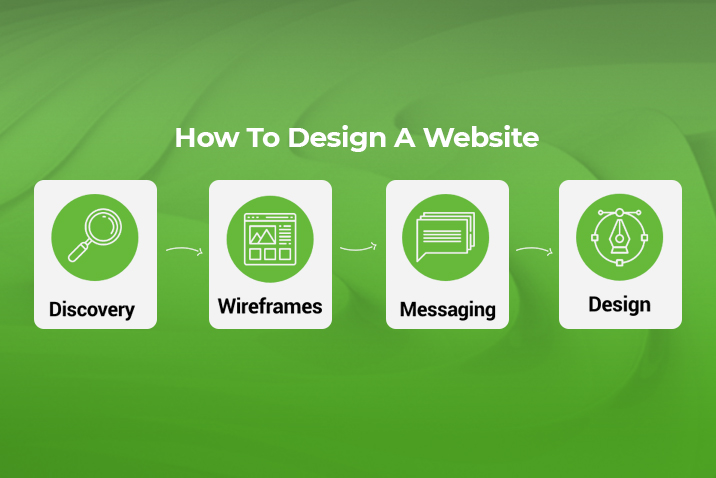
Now that you know the basics of web design, let’s look at how professional agencies build a successful website – step by step. This comprehensive guide walks you through the entire process, from planning and strategy to design and execution.
Set Clear Goals and Strategies
When it comes to web design, many people jump straight into the fun parts – choosing layouts, exploring color palettes, and adding stylish features. While creativity is exciting, starting without direction often leads to a website that looks good but doesn’t perform well. A successful website begins long before the design phase, it starts with clear goals and a focused strategy.
Before designing, pause and define your purpose. What do you want your website to achieve? Broad goals like “increase sales” or “get more visitors” sound appealing but lack precision. Instead, ask yourself:
- What is my website’s main objective?
- What makes my business unique?
- What specific actions should visitors take?
Once you have these answers, your design will naturally align with your objectives. Every element – from images to call-to-actions, should guide visitors toward your goals, whether it’s purchasing a product, filling out a form, or subscribing to updates. But your strategy shouldn’t stop there. A high-performing website is part of a bigger digital plan that connects with SEO, content marketing, social media, and email outreach.
For example, if your goal is to increase online sales, optimize product pages, use persuasive CTAs, and ensure the checkout process is simple and secure. If your focus is brand awareness, strengthen your storytelling and build consistency across all communication channels. You might think of running social media ads, but if you lack the time or expertise, consider approaches like newsletters or content-driven marketing that suit your capabilities better.
Most importantly, design for your target audience – not for everyone. Trying to please all users’ results in an unfocused website that resonates with no one. Tailor your visuals, tone, and messaging to the audience most likely to engage with your brand.
A clear vision, strong strategy, and audience-centered design form the foundation of every successful website. Once your goals are in place, you’re ready to move into the creative phase – where strategy meets design.
Understand the Latest Web Design Trends
In today’s fast-evolving digital world, keeping up with the latest web design trends is crucial for maintaining a strong online presence. Your website often serves as the first impression of your brand, and that first impression can determine whether visitors stay or leave. Just like your business grows and adapts over time, your website must also evolve to remain visually appealing, functional, and relevant. Incorporating modern design elements not only refreshes your site’s look but also enhances usability, builds trust, and improves visitor engagement.
A thoughtfully designed website reflects professionalism and reliability from the very first glance. However, not every trend fits every brand. A playful, vibrant design may attract younger audiences, while a sleek, minimalist layout might suit a luxury or corporate business better. Before implementing new ideas, study your competitors, industry standards, and audience preferences. Identify what resonates with users and adapt those insights to create a design that mirrors your unique brand identity.
Ultimately, adopting design trends is about balance, blending creativity with functionality. Avoid overwhelming visitors with excessive animations or flashy effects. Every design choice should serve a purpose; guiding users smoothly, reinforcing your content, and effectively communicating your brand message.
Here are 3 golden rules to follow when deciding which web design trends to use:
- Keep it Easy to Use: Make navigation simple and intuitive so visitors can explore your site without frustration.
- Make it Visually Appealing: Design elements should attract attention but never overwhelm.
- Tell your Story Clearly: Every visual choice should align with your brand’s purpose and values.
Now, let’s look at some popular trends that can enhance your website and help it stand out in Pakistan’s competitive digital space.
Asymmetric Layouts:
Modern websites are moving away from traditional grid systems toward asymmetric layouts. This style creates a sense of energy and uniqueness, breaking the monotony of standard web structures. When used effectively, asymmetry draws attention to important areas of your site while maintaining balance and readability. It gives your brand a creative, forward-thinking appeal that resonates with today’s audiences.
Chatbots and AI Integration:
AI-driven chatbots are transforming the online customer experience. They provide instant responses, guide visitors, and assist with basic queries or purchases, all without human input. Chatbots help businesses deliver 24/7 customer service, saving time and resources while improving user satisfaction. Integrating them into your website makes the user journey smoother and more efficient.
Micro Animations:
Small, subtle animations can make your website feel alive and interactive. Whether it’s a button that changes color on hover or icons that move slightly as users scroll, these animations guide attention and improve engagement. They add personality without being distracting, helping users feel connected to your site.
In conclusion, adopting modern web design trends strategically keeps your website relevant, user-friendly, and a true reflection of your brand’s growth.
Pick Your Website Platform
If you’re a business owner with limited time and little to no coding experience, the idea of building a website from scratch can feel intimidating. Between layout decisions, technical setup, and content organization, it’s easy to get overwhelmed. The good news is that creating a professional website today is easier than ever – even if you’re not a tech expert.
Hiring a professional web design agency is always the best way to ensure a polished, high-performing website, but not every business has the budget to do so right away. Thankfully, modern website builders allow you to create a sleek and functional site yourself, without any coding knowledge. These platforms offer drag-and-drop tools, customizable templates, and built-in features that make the process simple and efficient.
Which Website Platform Should You Use?
Once you’ve identified your website’s goals, studied your audience, and explored design inspiration, the next step is choosing the right platform. The market offers many options, each with different tools, customization levels, and pricing. The best choice depends on your business type, goals, and technical comfort.
Below are the most popular and reliable platforms used by businesses worldwide, including in Pakistan.
WordPress
If you want maximum control, flexibility, and scalability, WordPress is your best option. This self-hosted, open-source content management system, is free and extremely versatile. With thousands of themes and plugins, you can build anything – from a simple blog to a full-scale eCommerce store.
WordPress’s biggest advantage is its compatibility with third-party tools such as SEO plugins, analytics software, and marketing integrations. Whether you’re optimizing your site for search engines or managing advanced marketing campaigns, WordPress can handle it all. It’s no surprise that over 40% of all websites worldwide are powered by WordPress.
If you’d rather not build your site yourself, hiring a professional WordPress developer can help you create a customized, mobile-friendly, and SEO-optimized website tailored to your brand.
Squarespace
Squarespace is another excellent option, especially for those who value simplicity and visual appeal. Known for its modern, design-focused templates, it allows users to create beautiful, responsive websites without any coding. Its drag-and-drop editor makes the process easy and enjoyable, even for beginners.
The platform also includes built-in SEO tools, CDN support, free fonts, analytics, and eCommerce capabilities. This makes it ideal for creative professionals, service providers, and small business owners who want a stylish, easy-to-manage website. If you’re after a sleek, visually impressive site that requires minimal maintenance, Squarespace is a great choice.
eCommerce Platforms
If your primary goal is to sell products online, consider using a platform built specifically for eCommerce. These platforms simplify everything – from uploading products and managing inventory to processing payments and handling shipping.
Shopify
For online stores, Shopify is one of the most popular and powerful platforms available. Used by millions of businesses worldwide, it provides everything you need to build, launch, and manage your store efficiently. Its ready-made themes are optimized for showcasing products beautifully across all devices.
Shopify also handles the technical and operational side of your business. From integrating payment gateways and tracking inventory to managing multiple sales channels, everything is managed through one dashboard. You can even sell directly through social media platforms and online marketplaces.
For anyone wanting to start an online store quickly and efficiently, Shopify offers reliability, scalability, and ease of use – all in one package.
Final Thoughts
Choosing the right website platform is a crucial step in establishing your online presence. Your platform serves as the foundation of your digital identity – the place where your brand story, products, and customer experience come together. Selecting the right one ensures your business not only looks professional but performs successfully in today’s competitive online world.
Choose Your Template or Theme
However, once you understand what to look for, the process becomes both exciting and creative. Popular website builders like WordPress, Squarespace, and Shopify offer a wide range of professional templates with example content, helping you visualize your design before customizing it. The key is to select a template that aligns with your business goals, audience preferences, and overall brand identity to create a cohesive and visually engaging website experience.
After selecting your website platform, the next important step is choosing a template or theme -the structural foundation of your site, much like the framework of a house before decorating. A template determines your website’s layout, style, and visual elements, which you can later personalize to reflect your brand. With hundreds of designs available, finding the right one can feel overwhelming as many begin to look similar.
Here are a few key tips to help you choose the best template for your website:
Consider the Type of Website You’re Creating
Begin by defining the type of website you want – eCommerce store, portfolio, service-based site, or blog, as each needs a unique structure and design focus. Many beginners choose templates for their looks instead of their suitability for business goals.
A design made for a creative agency, for example, might appear impressive but won’t fit a product-based store. Every website has its own tone and purpose, so select a theme that truly represents your brand’s personality and clearly delivers your message to the audience.
Take Your Time
Selecting a template is one of the most enjoyable parts of web design, but don’t rush it. The excitement of launching your website can make it tempting to pick the first appealing option you see. Take your time to preview different designs, test their layouts, and imagine how your content will look within them.
Choosing the wrong template early on can lead to extra work later, or even force you to start from scratch once your site begins gaining traction. A thoughtful selection at this stage will save you both time and frustration in the long run.
Look for Customization Options
While simple templates are great for beginners, make sure the one you choose offers enough flexibility to grow with your business. Your website’s needs will evolve, you may want to add new sections, integrate plugins, or include non-default features in the future. Templates with robust customization options make it easier to adapt without rebuilding your entire site.
Even if customization feels complex now, it’s worth having the flexibility to expand later. A scalable template today can become a valuable investment for tomorrow.
Select a Responsive Template
This one’s non-negotiable – your website must be responsive. A responsive template automatically adjusts to different screen sizes and devices, ensuring your website looks and functions perfectly whether someone visits from a desktop, tablet, or smartphone.
Considering that a majority of online users in Pakistan browse the web through their phones, a non-responsive website can lead to lost traffic and missed opportunities. Mobile compatibility isn’t just a design trend – it’s an essential business requirement.
Choose SEO-Friendly Templates
Even the most visually stunning website won’t succeed if it’s invisible online. That’s why choosing a template that supports SEO best practices is essential. An SEO-friendly design helps search engines easily understand your site’s structure, read your content, and index your pages effectively. Look for templates with:
- Clean, optimized code
- Logical content hierarchy
- Fast loading times
- Smooth navigation
If your site’s purpose is to share key information, a one-page layout can be a great option. With everything – from services to contact details, on a single scrollable page, visitors can quickly find what they need while staying engaged.
Selecting the right template is a crucial step in your web design journey. It defines your site’s tone and functionality. By choosing a responsive, customizable, and SEO-optimized theme that aligns with your brand, you’ll build a foundation for a website that looks beautiful and performs brilliantly.
Choose Your Branding
Congratulations! You’ve reached one of the most exciting stages of web design. This is where your website takes shape as creativity meets strategy. It’s time to bring your brand to life through design. But before diving in, let’s talk about branding – what it is, why it matters, and how it shapes your site.
What is Branding and Why Does it Matter?
Just as your personal identity makes you unique, your brand identity defines what sets your business apart. It’s more than just a logo or tagline – it’s the overall impression people have of your business. In web design, branding shapes that impression through visual and emotional consistency. Every element of your website – from colors and typography to images and layout – communicates who you are and what your brand represents.
Branding influences how your audience feels when interacting with your business, building trust, recognition, and connection. To appear modern, innovative, or trustworthy, your website’s design, colors, and fonts must consistently tell your brand’s story.
Let’s explore the key elements that define your website’s branding:
Color Scheme
Color is a powerful tool in branding, shaping emotions, influencing decisions, and helping customers recognize your business instantly. Leading brands use color psychology to reflect their values and personality. For instance,
- Blue conveys trust, stability, and professionalism (financial and tech companies).
- Red evokes excitement and passion
- Green suggest freshness and growth (eco-friendly or health-minded brands)
Choosing a color scheme that aligns with your brand and resonates with your audience is essential. Consistent use of these colors across your logo, website, and marketing materials strengthens recognition and builds a memorable, cohesive visual identity for your brand.
Font Style
Typography is a key element in defining your website’s personality. Like color, the fonts you choose shape how visitors perceive your brand. The right font strengthens your message, while the wrong one can confuse users or dilute your brand identity.
Here’s a quick guide:
- Sans serif fonts, such as Helvetica or Open Sans, offer a modern, clean, and minimalistic look, ideal for contemporary brands.
- Serif fonts like Times New Roman or Georgia suggest tradition, reliability, and professionalism, making them perfect for corporate or luxury brands.
- Decorative or creative fonts can add personality for playful or artistic brands, but must remain readable.
Stick to 2 or 3 font families, balancing aesthetics with functionality to keep your website engaging and comfortable for visitors.
Imagery
You’ve likely heard the saying, “A picture is worth a thousand words,” and in web design, this couldn’t be truer. Humans process visuals far faster than text, and we remember them better, too. Research shows that people retain up to 65% of information when it’s paired with relevant images, compared to just 10% when presented as text alone.
High-quality imagery is essential not only for capturing attention but also for building trust, credibility, and emotional connection with your audience. Professional photography or carefully selected custom visuals can make a significant difference.
Authentic images make your brand more relatable, evoke emotion, and help you connect with users on a deeper level, while overused stock photos can leave your site feeling generic and impersonal.
That said, balance is key. Too many high-resolution images can slow down your website, harming both user experience and SEO. Choose visuals that tell your brand story, complement your color palette, and enhance your overall site aesthetic. Remember, your website is more than just a design – it’s your digital identity. By combining the right colors, typography, and visuals, you create a cohesive presence that reflects your brand, builds trust, and leaves a lasting impression.
Additionally, keep user behavior in mind. Most visitors scan websites in an “F-shaped” pattern, starting at the top left, moving horizontally, then down the left side, and across the middle. Place important information where users naturally look, highlight key actions with contrasting colors or prominent buttons, and maintain consistent layouts across pages to ensure a smooth, intuitive experience.
Optimizing Your Content for SEO
Now that your website elements are properly placed, it’s time to ensure your content performs well in search engines. With online competition growing fiercer every day, content optimization is essential for visibility, engagement, and long-term growth. Implementing effective SEO strategies helps your website rank higher and attract the right audience.
Here are a few SEO strategies:
Focus on High-Quality Content
High-quality content remains the cornerstone of online success. Search engines favor websites that offer valuable, original, and well-organized content. Include detailed product or service descriptions, informative blog posts, and keyword-optimized headings. High-quality, relevant content not only improves your rankings but also keeps visitors engaged longer, increasing the chances of conversions.
Think About Traffic Intent
Massive traffic isn’t always meaningful. Focus instead on attracting visitors who are genuinely interested in your products or services. It’s far better to have a smaller, targeted audience that converts than thousands of casual visitors who leave immediately. Tailor your content to meet the needs of your real audience, prioritizing quality over quantity to boost engagement and conversions.
Establish Your Authority
To appear on Google’s first page, your content must demonstrate experience, expertise, authority, and trustworthiness (E-E-A-T). Show you understand your niche by backing claims with credible data, case studies, or testimonials. Write confidently, using your insights to position your brand as an industry leader. Consistently delivering value earns both better search rankings and audience loyalty.
Positioning and optimization go hand in hand. Thoughtful design keeps visitors engaged, while SEO ensures they can find you. Together, they create a high-performing, conversion-focused website that looks professional, reads well, and drives measurable results.
Go Live
Congratulations! You’re almost there. With your content optimized and your design polished, it’s time to take the final step; launching your website. But before you hit that publish button, conducting a thorough pre-launch check is essential to ensure everything runs smoothly once your site goes live. Your last chance to perfect every detail before visitors see it.
Start by previewing your website and reviewing every page carefully.
- Are all internal and external links functioning correctly?
- Does each button or call-to-action lead to the right destination?
- Ensure your content is free from spelling or grammatical errors
- Confirm that your design display properly across desktop, tablet, and mobile.
- Loading speed matters too – aim for all pages to load in under 5 seconds.
Even small issues can leave a poor first impression, so this is the moment to catch and fix them. The more attention you give to details now, the smoother your launch will be.
Test your forms, contact pages, and payment gateways thoroughly to ensure they work flawlessly. Identifying and fixing these problems before launch is far better than troubleshooting after visitors start arriving.
On launch day, have your team ready to respond quickly to any unexpected glitches. Treat your website launch like the premiere of a major film – everything should look, feel, and perform perfectly because first impressions matter.
For added confidence, follow a detailed Website Pre & Post Launch Checklist to ensure no crucial element is overlooked. Once your site is live and fully functional, take a moment to celebrate this milestone, but remember, the launch is just the beginning of your website’s journey.
Keep Tracking and Improving Your Website
Now that your website is live, it might be tempting to sit back and watch the traffic roll in – but the truth is, your work is far from over. A website is not a one-time project; it is a living, evolving platform that demands ongoing attention, updates, and optimization to remain effective.
Once your site is operational, your next crucial step is to actively monitor its performance. Most popular website platforms, including WordPress, Shopify, and Squarespace, offer built-in analytics tools that make this process straightforward. These tools allow you to track essential metrics such as:
- How many visitors your website receives
- How long they stay on each page
- Which pages they visit most frequently
- Your overall bounce rate (the % of visitors who leave without interacting)
By carefully reviewing these insights, you can pinpoint which areas of your website are performing well and which may require adjustments, whether that involves improving page load speed, enhancing your content, or redesigning specific sections to boost engagement.
Maintaining a website requires consistency, adaptability, and vigilance. SEO trends constantly evolve, and search engines regularly update their ranking algorithms. Failing to adapt can quickly reduce your visibility online.
To stay ahead of your competitors:
- Keep monitoring your SEO performance regularly.
- Update your content to align with emerging trends.
- Continue improving technical aspects like responsiveness and load times.
- Follow the latest digital marketing best practices to strengthen your online presence.
Staying proactive ensures your website remains visible, competitive, and effective in generating meaningful results for your business.
Conclusion
Today, building an impressive and fully functional website doesn’t require advanced technical skills or a professional developer. With the right approach, a clear strategy, and consistent effort, anyone can create a strong digital presence that reflects their brand and drives meaningful business growth. Yet, the true measure of a website’s success goes beyond its appearance – it lies in its performance, its ability to engage and connect with your audience, and its capacity to evolve with changing trends and demands.
As you embark on your web design journey, keep in mind that your website is far more than just a set of pages; it is the digital heartbeat of your brand.
If you need guidance or professional support, our expert web design team in Pakistan is always ready to help ensure your website not only looks stunning but performs exceptionally well.