A professional website helps businesses build credibility, reach new customers and present their products or services online. However, every business has different requirements. A local company may need a simple business website, while an online retailer may require a fully featured e-commerce store with payment gateways, product filters and order management.
Understanding the different types of website development services makes it easier to choose the right solution for your goals and budget.
Digiphix provides website design and development solutions for startups, small businesses and established brands. From custom website development to e-commerce platforms and ongoing maintenance, the focus is on creating websites that are practical, responsive and aligned with business objectives.
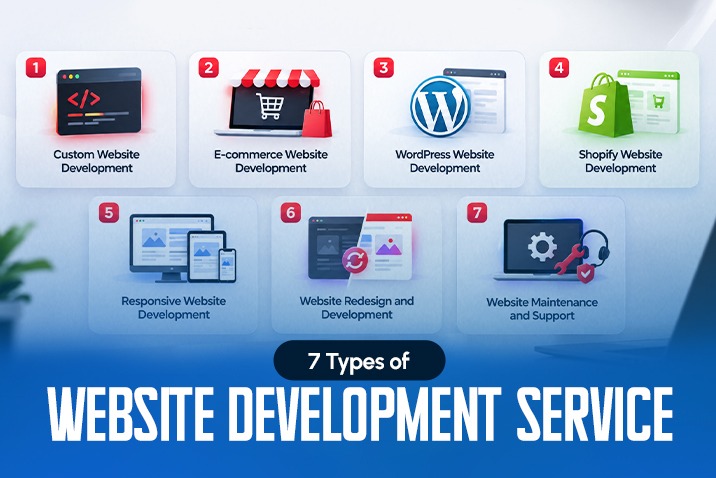
1. Custom Website Development
Custom website development involves building a website around a business’s specific requirements rather than relying entirely on a ready-made template. This approach gives businesses greater control over the website’s layout, features, functionality and user experience.
A custom website can include tailored contact forms, service pages, booking systems, interactive elements and third-party integrations. These features help create a website that supports the way a business operates.
Custom website development is suitable for:
- Businesses with specific design or functionality requirements
- Established companies that need a distinctive online presence
- Organisations requiring integrations with existing software
- Brands planning to expand their digital services
Digiphix develops tailored websites that reflect each client’s brand identity and business priorities. The aim is to create a practical digital platform that is easy to navigate and can adapt as requirements change.
2. E-commerce Website Development
E-commerce website development allows businesses to sell products online through a digital storefront. A well-built online shop helps customers browse products, compare options, add items to their basket and complete purchases.
An effective e-commerce website needs more than attractive product images. It should offer straightforward navigation, clear product information, secure payment options and a smooth checkout process.
Common e-commerce features include:
- Product categories, filters and search
- Product descriptions, images and pricing
- Shopping basket and checkout functionality
- Payment gateway integration
- Order management and delivery information
- Mobile-friendly product pages
Digiphix develops e-commerce websites designed around the products a business sells and the needs of its customers. Whether a company is launching its first online shop or improving an existing store, the development process should prioritise usability, product discovery and reliable purchasing functionality.
3. WordPress Website Development
WordPress is a content management system (CMS) that allows businesses to publish and manage website content without requiring extensive coding knowledge for everyday updates.
WordPress website development can include business websites, service pages, blogs, landing pages and online stores. Its flexibility makes it a useful option for businesses that want control over their content and room to expand their website over time.
A WordPress development project may include:
- A customised theme and page layouts
- Responsive design for mobile devices
- Contact forms and relevant integrations
- Search engine optimisation fundamentals
- Security and performance improvements
- Content management training
Digiphix can help businesses plan a WordPress website around their content, branding and functionality requirements. Selecting suitable plugins and maintaining a streamlined setup also helps avoid unnecessary complexity as the website grows.
4. Shopify Website Development
Shopify is an e-commerce platform built for businesses that want to manage products, orders and online sales through a dedicated store system.
Shopify website development may involve store setup, theme customisation, product organisation, payment configuration, shipping settings and app integrations. The exact requirements depend on the size of the product catalogue and the way the business fulfils orders.
Shopify can be a practical option for retailers who want a managed platform rather than building and maintaining every part of an online store from scratch.
Digiphix helps businesses develop Shopify stores that reflect their branding and make shopping straightforward. Clear product categories, consistent product information and a simple checkout journey can make the store easier for customers to use.
5. Responsive Website Development
Responsive website development ensures that a website adjusts to different screen sizes, including smartphones, tablets, laptops and desktop computers.
Mobile usability matters because visitors may discover a business through search engines, social media, online advertisements or direct links. If pages are difficult to read or buttons are hard to use on a smaller screen, visitors may leave before contacting the business or making a purchase.
Responsive development considers several elements, including:
- Flexible page layouts and readable typography
- Images that fit different screen sizes
- Touch-friendly buttons and navigation
- Forms that work on mobile devices
- Consistent functionality across modern browsers
Digiphix considers responsive behaviour as part of website design and development. The objective is to provide a consistent experience across devices, allowing visitors to find information and complete important actions without unnecessary difficulty.
6. Website Redesign and Development
A website redesign improves an existing website’s appearance, structure, usability or functionality. Businesses may need a redesign when their branding changes, their services expand or their current website no longer meets customer expectations.
A redesign can involve updating page layouts, simplifying navigation, improving mobile usability, refreshing content and replacing outdated features. Before making changes, it is important to review the existing website to identify what works and what needs improvement.
Website redesign services may include:
- Reviewing the current website structure
- Updating visual design and branding
- Improving navigation and calls to action
- Reorganising content and service pages
- Addressing technical and mobile usability issues
- Planning redirects for changed URLs where necessary
Digiphix approaches redesign projects by considering the business’s objectives and the existing website’s strengths and weaknesses. Careful planning helps preserve useful content while creating a more effective experience for visitors.
7. Website Maintenance and Support
Website development does not end when a website goes live. Ongoing maintenance helps keep its software, features and content up to date.
Without regular attention, websites can develop broken links, outdated information, compatibility problems or security weaknesses. Maintenance helps businesses identify issues and keep their websites functioning as intended.
Common website maintenance tasks include:
- Updating the CMS, themes and plugins
- Checking forms, links and key website functions
- Reviewing website speed and performance
- Monitoring security and resolving technical issues
- Backing up website files and data
- Updating product, service and company information
Digiphix can help businesses identify suitable maintenance requirements based on their website platform and complexity. Regular checks are particularly useful for e-commerce websites, where technical issues may affect product browsing, checkout and order enquiries.
Website Development Case Studies by Digiphix
Real website projects help demonstrate how development services can be applied to different business needs. The following examples illustrate Digiphix’s work on two online retail websites.
Case Study 1: Tohfa Mahal
Website: tohfamahal.com
Tohfa Mahal is an online retail store offering products such as men’s watches, ladies’ watches, couple watches, wallets and belts. The website needs to present a varied product range while helping shoppers find relevant items and review their options.
Digiphix designed and developed the website with a retail-focused structure. Product categories help organise the catalogue, while product pages display details such as images and prices. Shopping features support product discovery, and delivery, cash-on-delivery, exchange and return information helps customers understand the purchasing process.
The project demonstrates how e-commerce website development brings product presentation, navigation and shopping functionality together in one online store.
Case Study 2: Chic De Paris
Website: chicdparis.com
Chic De Paris offers a broad selection of products across categories such as fashion, bags and accessories, gifts, home and kitchen items, children’s products, perfumes and beauty.
Digiphix designed and developed the website to organise this varied catalogue into a browsable online shopping experience. Category navigation helps visitors explore different product types, while product listings display pricing and promotional information. The website also provides shopping guidance, including shipping, returns, exchanges and frequently asked questions. Language options and country or currency selection support customers with different shopping preferences.
This project highlights the importance of thoughtful catalogue organisation when an online store sells products across multiple categories. A clear structure can help visitors explore the range and find relevant items more easily.
How to Choose the Right Website Development Service
The right service depends on what your business needs to achieve. Before starting a project, consider the following factors:
Business goals: Decide whether the website needs to generate enquiries, showcase services, publish content or sell products.
Required functionality: List essential features such as booking forms, payment gateways, product filters or third-party integrations.
Budget and ongoing costs: Consider development, hosting, platform subscriptions, maintenance and future improvements.
Content management: Choose a solution that makes it practical to update pages, publish articles or manage products.
Future growth: Consider whether the website can support additional services, products, users or integrations as your business develops.
Discussing these requirements with a website development agency in Karachi can help you identify a suitable platform and avoid investing in features your business does not need.
Why Choose Digiphix for Website Design and Development?
Digiphix provides website design and development services for businesses looking to establish or improve their online presence. With an in-house team of more than 20 experts, the agency works on website projects for startups, small businesses and established brands.
Its services cover custom website development, WordPress websites, e-commerce development, Shopify stores, responsive design and website improvements. Project requirements can be planned around business goals, customer needs and the functionality required.
When comparing website development companies, review their previous projects, communication process, technical capabilities and approach to ongoing support. A suitable development partner should be able to explain the proposed solution clearly and show how it relates to your business objectives.
Frequently Asked Questions
1. What are website development services?
Website development services cover the planning, building and maintenance of websites. They may include custom development, e-commerce functionality, CMS setup, responsive design, redesigns and technical support.
2. Which website development service is best for a small business?
A responsive business website or WordPress website may suit a small business that needs to present its services and generate enquiries. An online retailer may need an e-commerce platform such as Shopify or WooCommerce, depending on its requirements.
3. How much does website development cost in Karachi?
The cost depends on the website’s size, design requirements, functionality, platform and integrations. A simple business website generally requires less development work than a custom e-commerce store with a large product catalogue. Request a project-specific quotation for an accurate estimate.
4. Why is responsive website development important?
Responsive development helps a website work across smartphones, tablets and desktop computers. It improves accessibility and usability, making it easier for visitors to read information, navigate pages and complete actions on different devices.
5. Does a website need maintenance after launch?
Yes. Updates, backups, security checks and functional testing help keep a website reliable. E-commerce websites may also need regular product, pricing, shipping and checkout reviews.
Conclusion
Choosing the right website development service depends on your business goals, customers and technical requirements. Custom websites offer flexibility, WordPress supports content management, Shopify simplifies many e-commerce tasks, and responsive development helps visitors use a website across devices. Redesign and maintenance services can also improve an existing website’s performance and usability.
Digiphix works across these areas, with projects such as Tohfa Mahal and Chic De Paris demonstrating its experience in online retail website design and development. Start by identifying your priorities, then choose a solution that supports your business today and allows room for future growth.