In today’s digital first landscape, website performance isn’t a one time achievement it’s more like a continuous route of measuring, seeing things clearly, and tweaking. At Digiphix, we lean on analytics that’s data driven so we can steadily improve site speed, strengthen search presence, and bring real business outcomes you can actually measure. Here’s the way we take messy numbers and turn them into a strategic little advantage.
Why Analytics Matters for Website Performance?
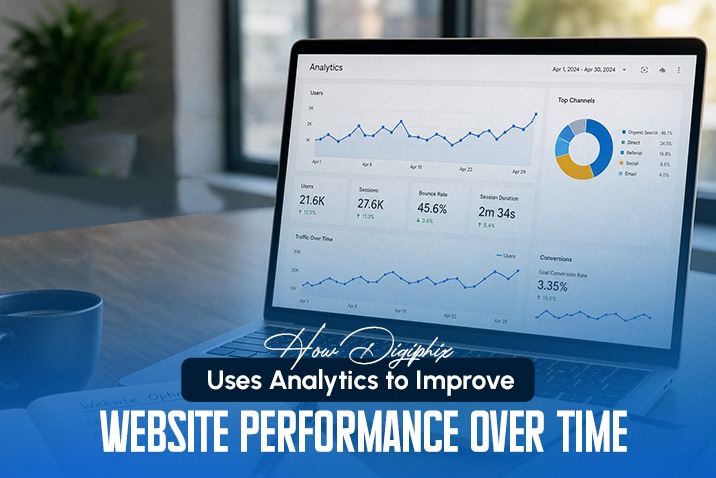
Analytics turns guesswork into precision, which is kinda the whole point. By following user behavior, traffic origins, conversion paths, and technical signals, Digiphix can spot what’s helping and what’s quietly failing. This evidence then becomes the base layer for each optimization call, so time and effort go toward changes that bring the highest lift. Our Analytics-Driven Optimization Framework:
1. Comprehensive Data Collection & Setup
We start by setting up tracking in a solid, not fragile way, like:
- Google Analytics 4 (GA4) for user behavior and conversion monitoring
- Google Search Console for search performance visibility
- Custom event tracking for key user actions, form submissions, downloads, clicks (you know, the stuff that matters)
- Heatmap tools to map how people really interact with pages
When setup is correct, we end up with data that’s accurate, and usable from day one, not later after you notice it’s off.
2. Key Metrics We Monitor
Digiphix watches performance across four key dimensions and we keep it pretty consistent:
Metric Category | Key Indicators | Why It Matters
Traffic Quality: Organic search traffic, bounce rate, new vs returning visitors. This uncovers audience engagement and how relevant the content feels
User Behavior: Time on site, pages per session, exit pages. It highlights whether pages are useful and where navigation starts to break
Technical Performance: Page load speed, mobile usability, Core Web Vitals. This directly touches Google rankings and day to day user experience
Conversion rate, goal completions, ROI per channel Measures business impact of optimizations
3. Optimizing Content through Data
Our experts analyze successful pages to determine the keywords and the kind of content used, then optimize these elements for pages that are underperforming due to factors such as improper keyword usage, loading speeds, and lack of engagement signals.
4. Improving Page Speed and Technical Features
Website page speed plays an important role in search rankings. Through analytics data, we improve speed by:
- Compressing heavy images to minimize page load time
- Allowing browsers to cache for faster page speed
- Reducing HTTP requests through optimized JavaScript/CSS
These improvements directly boost Core Web Vitals scores and Google rankings.
5. SEO, GEO & AEO Integration
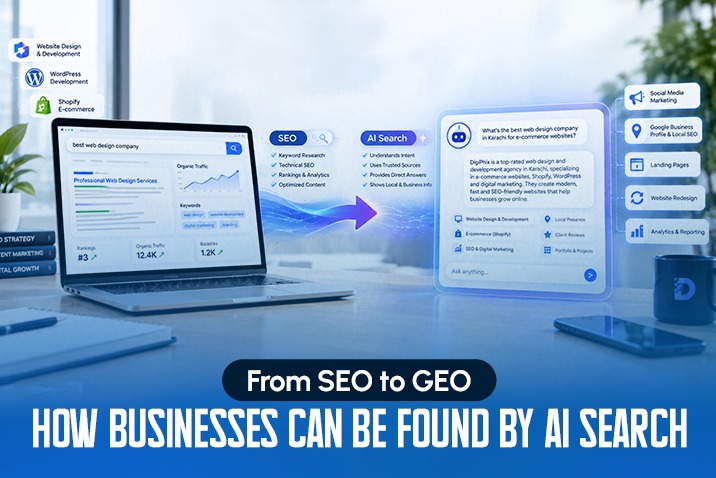
Modern search requires more than traditional SEO. Digiphix integrates three complementary strategies:
| Strategy | Focus Area | Key Analytics Metrics |
|---|---|---|
| SEO | Search engine rankings | Keywords, organic traffic, backlinks, CTR, bounce rate |
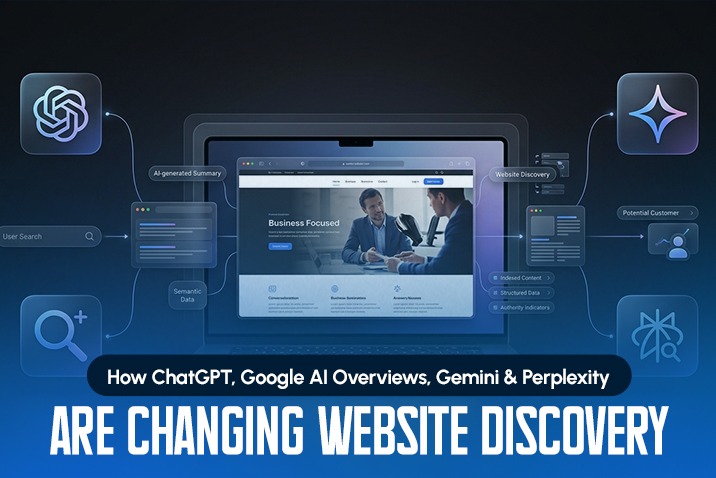
| GEO | AI-generated search results | AI citations, content readability, structured data, conversational search visibility |
| AEO | Direct answers & voice search | Featured snippets, FAQ performance, schema markup effectiveness, voice search queries |
SEO, AEO, and GEO form a unified practice serving three distinct audiences with varying emphasis.
6. Competitor Analysis
Competitors’ keyword strategy, content strategy, and link analysis can be done using software such as SEMrush and Ahrefs. This helps us find areas in which we can beat our competition.
7. Ongoing Iteration
Analyzing results is not a one-off exercise, but a constant process. Data can be analyzed at monthly or quarterly intervals; changes in strategies and their effectiveness can be determined.
Results You Can Expect
The clients of Digiphix will enjoy the following results:
- 40-60% increase in organic traffic after 6 months
- 25-35% improvements in conversions
- 30% quicker page loading time
Increased search engine optimization rankings for your most competitive keywords
FAQs: SEO, GEO, AEO & Google Ranking
Q1: What is the distinction between SEO, GEO, and AEO?
SEO caters to search engine result pages that aren’t optimized by artificial intelligence. GEO aims to optimize content for generative search engines. AEO refers to voice search and featured snippets, where the query answer is provided by AI.
Q2: How does analytics affect Google’s ranking criteria?
Analytics helps detect poorly performing web pages, slow loading speed, and high bounce rates – factors negatively impacting rankings. Optimizing these issues will help increase Core Web Vitals and positively impact other ranking factors.
Q3: Why do I need GEO in 2026?
As the rate of development and adoption of AI increases, you’ll need to optimize content for generative engines to be included in the results they provide.
Q4: How often should I analyze my site’s data?
It is best practice to analyze analytics data once per month, as well as quarterly deep analysis.
Q5: Which structured data is useful for AEO and GEO?
Using schema markup (FAQ, How-to, Article, Product) will help you optimize AI perception of content and increase the probability that the page will be selected as a featured snippet or an AI answer.
Q6: Does the use of analytics help to monitor keyword rankings?
While the use of Google Analytics does not provide data on keyword rankings, combining it with Google Search Console and using additional software (Ahrefs or Semrush) will give a complete picture of your rankings.
Q7: What are the fast ways to increase your site speed?
To get quick results in terms of website speed, compress images, use browser caching, and minimize HTTP requests.
Q8: How does Digiphix ensure ROI through analytics-based optimizations?
At Digiphix, we establish clear conversion goals, measure ROI for each marketing channel, and concentrate our optimizations on those parts of a website that generate maximum ROI, rather than traffic.